Solo Self-Care Is Selling You Short — Here's What Connection Does for Your Health

Photo: Basile Morin, CC BY-SA 4.0, via Wikimedia Commons
Picture the quintessential self-care Sunday: candles lit, phone silenced, a face mask hardening while you breathe through a guided meditation. It's peaceful. It's restorative. And according to a growing body of research, it might be missing a crucial ingredient.
We're living through what the U.S. Surgeon General officially called a loneliness epidemic in 2023 — a public health crisis so significant that its effects on mortality are comparable to smoking 15 cigarettes a day. And yet, mainstream wellness culture keeps handing us solo solutions to what is, at its core, a deeply relational problem.
Let's talk about what's actually going on — and how you can build a self-care practice that nourishes you and the part of your nervous system that craves human connection.
Your Biology Was Built for Belonging
Humans aren't wired for isolation. Full stop. Our nervous systems evolved in community, and that's not a metaphor — it's neuroscience. When you feel genuinely connected to another person, your brain releases a cascade of feel-good chemicals: oxytocin, serotonin, even dopamine. These aren't just mood boosters. They actively regulate inflammation, lower cortisol levels, and support immune function.
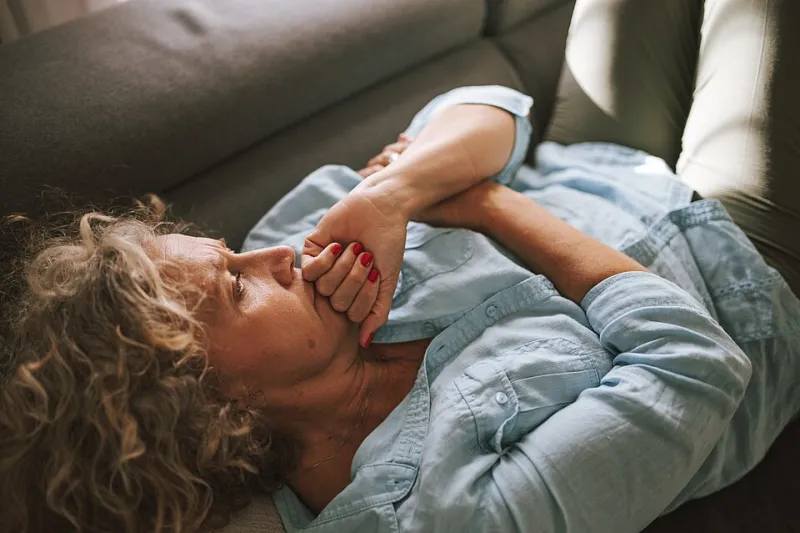
On the flip side, chronic loneliness triggers a threat response in the brain similar to physical pain. Your body interprets social isolation as danger, flooding your system with stress hormones that — over time — wear down your cardiovascular system, disrupt sleep, and accelerate cellular aging.
So when your self-care routine is entirely solitary, you may be soothing the surface while your deeper biological needs go unmet. That's not a failure of willpower or discipline. It's just incomplete information.
The Paradox of the Wellness-But-Isolated Lifestyle
Here's an uncomfortable truth: some of the most wellness-devoted people in America are also among the loneliest. The optimization mindset — tracking macros, blocking time for workouts, curating a perfect morning routine — can quietly crowd out spontaneous social connection. When every hour is scheduled and every habit is solo-optimized, there's often no room left for the messy, unpredictable gift of other people.
Social media compounds this paradox. We're watching wellness influencers model serene solo rituals, double-tapping posts about "protecting your peace" and "doing it for yourself." And while there's genuine value in solitude and personal boundaries, the cultural overcorrection has left a lot of us isolated under the banner of self-improvement.
The data backs this up. A 2020 study from Brigham Young University found that social isolation increased the risk of early death by 26%. Meanwhile, people with strong social ties showed better outcomes across nearly every health metric — from blood pressure to cognitive decline.
What "Social Wellness" Actually Looks Like
Social wellness isn't about being an extrovert or filling your calendar with obligatory happy hours. It's about intentional, nourishing connection — the kind that leaves you feeling seen rather than drained.
Here are a few ways to weave it into your existing routine:
Build an Accountability Partnership
Find one person — a friend, coworker, or even someone you meet in an online wellness community — and commit to a shared goal together. This could be a weekly check-in about sleep habits, a shared step goal, or even a monthly "wellness date" where you both try a new healthy recipe or take a fitness class together.
Accountability partnerships work because they tap into our social nature without requiring a huge time commitment. Research shows that people are significantly more likely to stick with healthy behaviors when they feel someone else is invested in their progress. It's not about accountability in a punitive sense — it's about mattering to someone.
Ritualize Together
Think about one solo ritual you love and consider how it might translate into a shared experience. Morning walks are more sustainable with a neighbor. Farmers market runs become genuinely fun with a friend. Even something as personal as journaling can have a social dimension — some communities practice "open notebook" sessions where people write in the same space without necessarily sharing what they've written.
The ritual doesn't change; you're just letting another human exist in it with you.
Seek Out Community-Based Wellness Spaces
Group fitness classes, community gardens, meditation circles, hiking clubs — these spaces offer what researchers call "passive social connection": the low-pressure experience of being among others without the performance of conversation. Even if you don't make a single friend, being physically present with other humans in a shared activity has measurable effects on mood and stress.
In cities across the U.S., social wellness spaces are expanding. Running clubs like November Project (which operates in dozens of American cities) are free, inclusive, and explicitly built around community. Local yoga studios often host community donation classes. These aren't just workout options — they're infrastructure for belonging.
Redefining What "Taking Care of Yourself" Means
Nourishing your body and elevating your life — the whole point of a real self-care practice — isn't something you can fully do in isolation. The science is clear: connection is a health behavior, just like sleep, movement, and nutrition.
That doesn't mean every wellness moment needs a witness. Solitude is sacred, and your solo rituals matter. But if your self-care practice never includes another person, it may be time to ask yourself what you're protecting yourself from — and whether that protection is actually serving you.
The next time you're building or refining your wellness routine, treat social connection as a non-negotiable ingredient. Not an add-on. Not a reward for finishing your to-do list. A fundamental pillar of your health — because that's exactly what it is.
Your bubble bath can stay. Just maybe invite a friend to do face masks in the next room.