Why Your Skincare Routine Is Actually a Mental Health Practice in Disguise

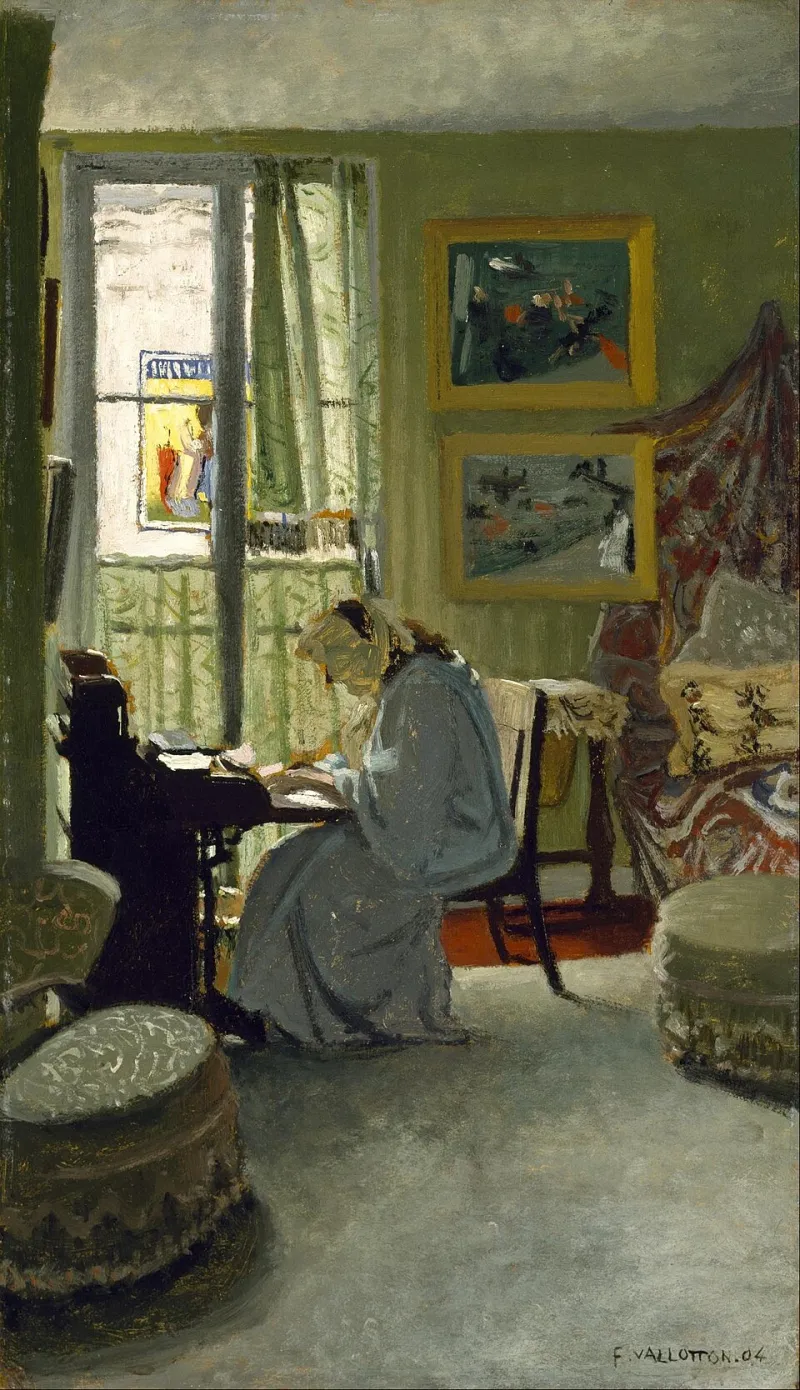
Photo: Payno1984, CC BY 4.0, via Wikimedia Commons
Somewhere between the second cleanse and the serum, something shifts. The day's noise quiets. The to-do list loses its grip. For a few minutes, it's just you, your bathroom mirror, and the gentle, repetitive act of caring for your own face.
If you've ever noticed that your morning or evening routine feels like more than just maintenance — more than a checklist of steps before bed — you're onto something real. Personal care rituals, it turns out, are quietly doing some of the most important mental health work of our daily lives.
This isn't about expensive products or ten-step regimens. It's about something much more fundamental: what it means to show up for yourself, deliberately, every single day.
The Psychology of Ritual (It's More Powerful Than You Think)
Humans have used ritual to create meaning and manage anxiety for as long as we've existed. From ancient ceremonial practices to modern religious traditions, the repetitive, intentional nature of ritual has always served a psychological function — grounding us, signaling safety to our nervous systems, and marking the boundaries between different modes of being.
Contemporary research backs this up. A 2017 study published in Psychological Science found that engaging in personal rituals — even simple, secular ones — reduced anxiety and increased feelings of control in participants facing uncertain situations. The mechanism? Ritual creates predictability in an unpredictable world. And predictability is deeply calming to a brain that's constantly scanning for threat.
Your skincare routine, your morning coffee ritual, your evening wind-down sequence — these aren't trivial habits. They're anchors. And in a culture that glorifies busyness and constant stimulation, those anchors matter enormously.
"It's the Only Time I Actually Breathe"
We asked members of The Self Care Emporium community to share what their personal care rituals mean to them. The responses were striking in their consistency.
Marcela, a 34-year-old teacher from Austin, Texas, told us: "My nighttime skincare routine is genuinely the only time during the day when I'm not thinking about anyone else. It sounds small, but it's become sacred to me. I light a candle, I take my time, and for ten minutes, I'm just a person taking care of herself. Not a mom, not a teacher — just me."
Darren, a 41-year-old software engineer from Chicago, described a similar experience with his morning routine: "I started doing a basic grooming ritual in the morning — face wash, moisturizer, a few minutes with my beard — and I noticed it was setting a completely different tone for my day. It's like telling myself I'm worth the effort before I even open my laptop."
These stories point to something therapists have long recognized: the act of intentional self-care is itself a form of self-worth affirmation.
The Nervous System Connection
Here's where it gets really interesting. The physical sensations involved in personal care — warm water on your face, the gentle pressure of facial massage, the scent of a product you love — activate the parasympathetic nervous system, which is responsible for the body's rest-and-digest response.
This is the physiological opposite of the fight-or-flight stress response that many of us are stuck in for much of our day. When you slow down enough to feel the warmth of water on your skin or take a deliberate breath over a scented product, you're literally signaling to your body that it's safe to relax.
Aromatherapy research supports this, too. Studies have found that lavender, bergamot, and chamomile — common ingredients in personal care products — have measurable anxiolytic (anxiety-reducing) effects when inhaled. So that lavender body lotion you love isn't just moisturizing your skin. It's potentially nudging your nervous system toward calm.
Ritual as Emotional Regulation
Licensed therapist and wellness advocate Dr. Keisha Monroe (LCSW, Atlanta, GA) puts it plainly: "I often ask clients who are struggling with anxiety or depression to identify one consistent daily ritual they can commit to. Not because the ritual itself is therapeutic, but because the consistency of showing up for yourself — especially when you don't feel like it — builds a kind of internal trust. You start to believe that you matter enough to tend to."
This concept — that self-care rituals reinforce self-worth — is echoed in behavioral activation therapy, a well-established treatment for depression that emphasizes engaging in meaningful activities even when motivation is absent. The action precedes the feeling, not the other way around. You don't wait until you feel worthy of care. You care for yourself, and the feeling of worthiness gradually follows.
That's a radical reframe of what your nightly routine actually represents.
The Product Is the Prop, Not the Point
We want to be clear about something, because this is a nuanced conversation: the products themselves are secondary. A $200 serum won't save you, and a drugstore cleanser used with intention and presence will serve you far better than a luxury routine completed on autopilot while doom-scrolling.
What matters is the quality of attention you bring to the ritual. Are you present? Are you moving slowly enough to actually feel what you're doing? Are you treating the act of caring for yourself as worthy of your full focus, even for five minutes?
That said — we're not going to pretend that products don't play a role. Choosing something that smells wonderful to you, that feels luxurious on your skin, or that aligns with your values (clean ingredients, ethical sourcing, sustainable packaging) can meaningfully enhance the ritual experience. When a product brings you genuine pleasure, it deepens your engagement with the moment.
The key is intentionality. Buy less, choose better, and use what you have with presence.
Building Your Own Ritual Practice
If you want to transform an existing personal care routine into a genuine mindfulness and emotional wellness practice, start here:
Slow down by 50%. Most of us rush through our routines. Try moving at half speed for one week and notice what changes.
Engage your senses deliberately. Notice the temperature of the water, the texture of a product, the scent as you apply it. Sensory engagement is the fast track to present-moment awareness.
Create a signal. Light a candle, play a specific playlist, or brew a particular tea to mark the beginning of your ritual. Signals train your brain to shift gears.
Ditch the phone. The bathroom is one of the last places in American life where we can be truly unplugged. Protect it.
Say something kind to yourself. This one feels awkward at first, and that's okay. Even a simple "I'm taking care of you" while applying moisturizer is a quiet act of self-compassion that compounds over time.
The Radical Act of Tending to Yourself
In a culture that rewards productivity over presence and output over inner life, choosing to show up for yourself — quietly, consistently, with a cleanser and a candle and five intentional minutes — is genuinely countercultural.
It says: I matter. My body deserves attention. My nervous system deserves calm. My mental health is worth ten minutes of my evening.
That's not a small thing. That's the whole thing.